Building autonomous city agents for THUG
Alive does not mean noisy. Autonomous agents need motives, budgets and a clock that keeps change readable.
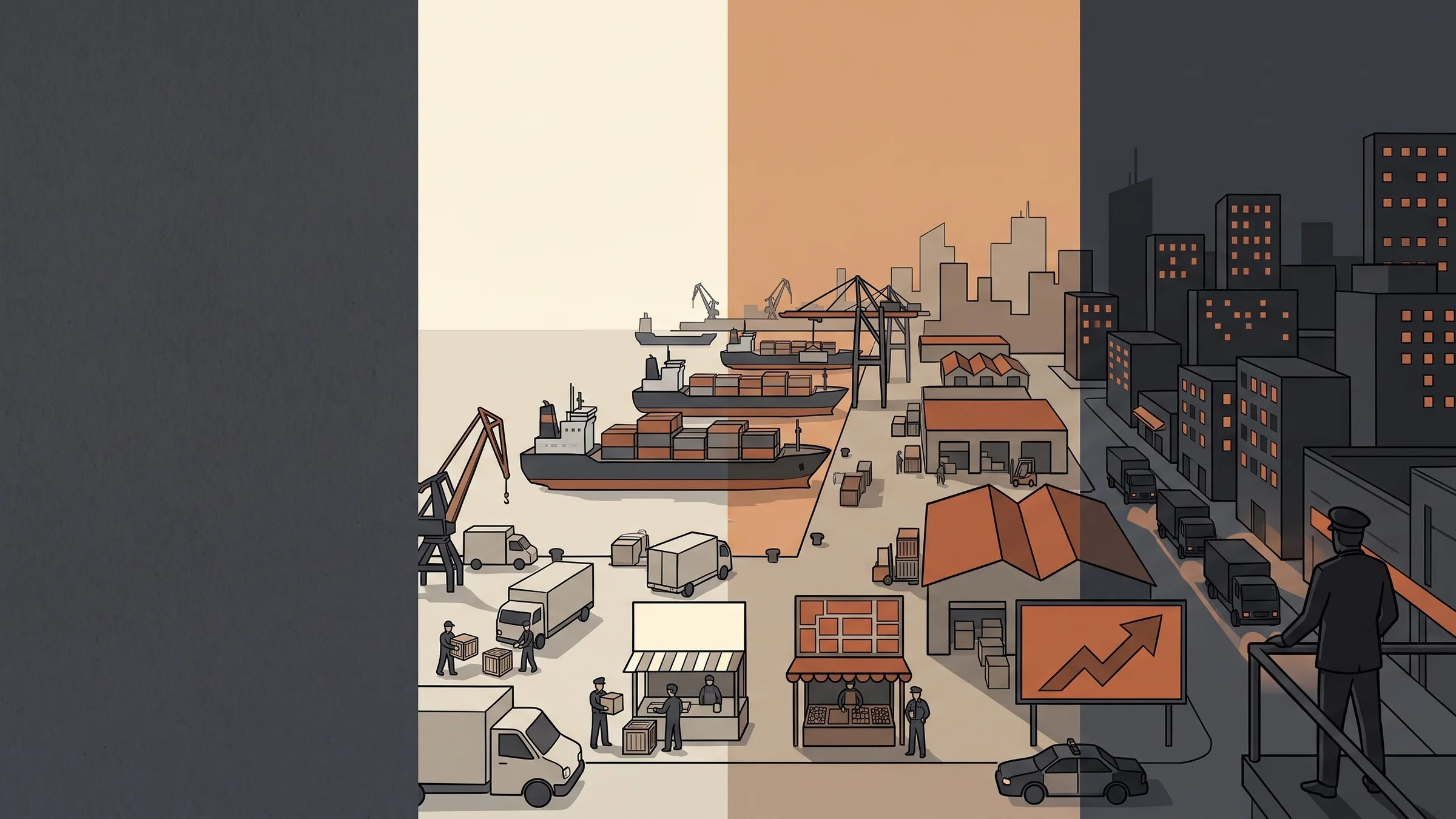
A living city is a casting problem. If every NPC acts every tick, the world becomes spam. If nobody acts, login feels static. THUG's autonomous agents sit between those failures.
Agents with roles, not chatbots with guns
Dons, crew members, crews and Families have different jobs in the simulation. Dons push influence and relationships. Crew members train, support or reconsider loyalty. Crews recruit and pursue opportunities. Families handle strategic permissions and treasury posture.
Each layer has its own cadence so the city produces texture—preparation, intel, pressure—instead of identical motion everywhere.
One clock, selective actors
City cycles advance connected systems together: markets, shipments, businesses and organization decisions. Eligible crew members are sampled rather than fully simulated every cycle.
Patience, risk tolerance, loyalty and ambition influence what becomes due. That keeps offline change meaningful when you return to the command center.
- Shared city cycle for coherent consequences
- Sampling to avoid simulation noise
- Logged actions that feed later outcomes
Resources make autonomy honest
Agents without treasuries, inventories or attention budgets are decorative. THUG agents spend real operational resources, so their choices compete with players for the same scarce opportunities.
That competition is the point. A shortage is more interesting when an AI crew can also bid for the shipment you wanted.
What we optimize for next
Readability remains the bar. Players should understand why a district got hotter, why a contact cooled or why a rival crew suddenly had cash—without opening a debugger.
Future work deepens agent goals and cross-system reactions while protecting the rule that major player decisions stay in player hands.
Questions from the street
Do AI crews replace players?
No. They create pressure and context in the shared city. Critical player decisions remain yours.
Why not simulate everyone every cycle?
Full simulation creates noise. Sampling and layered cadences keep change interpretable.
Can I see what agents did while I was away?
Yes. The command center and logs surface urgent changes, people movement and economic shifts.