How THUG's living city keeps moving without you
Inside the simulation that lets rival crews recruit, trade, gather intelligence and make strategic moves while players are offline.
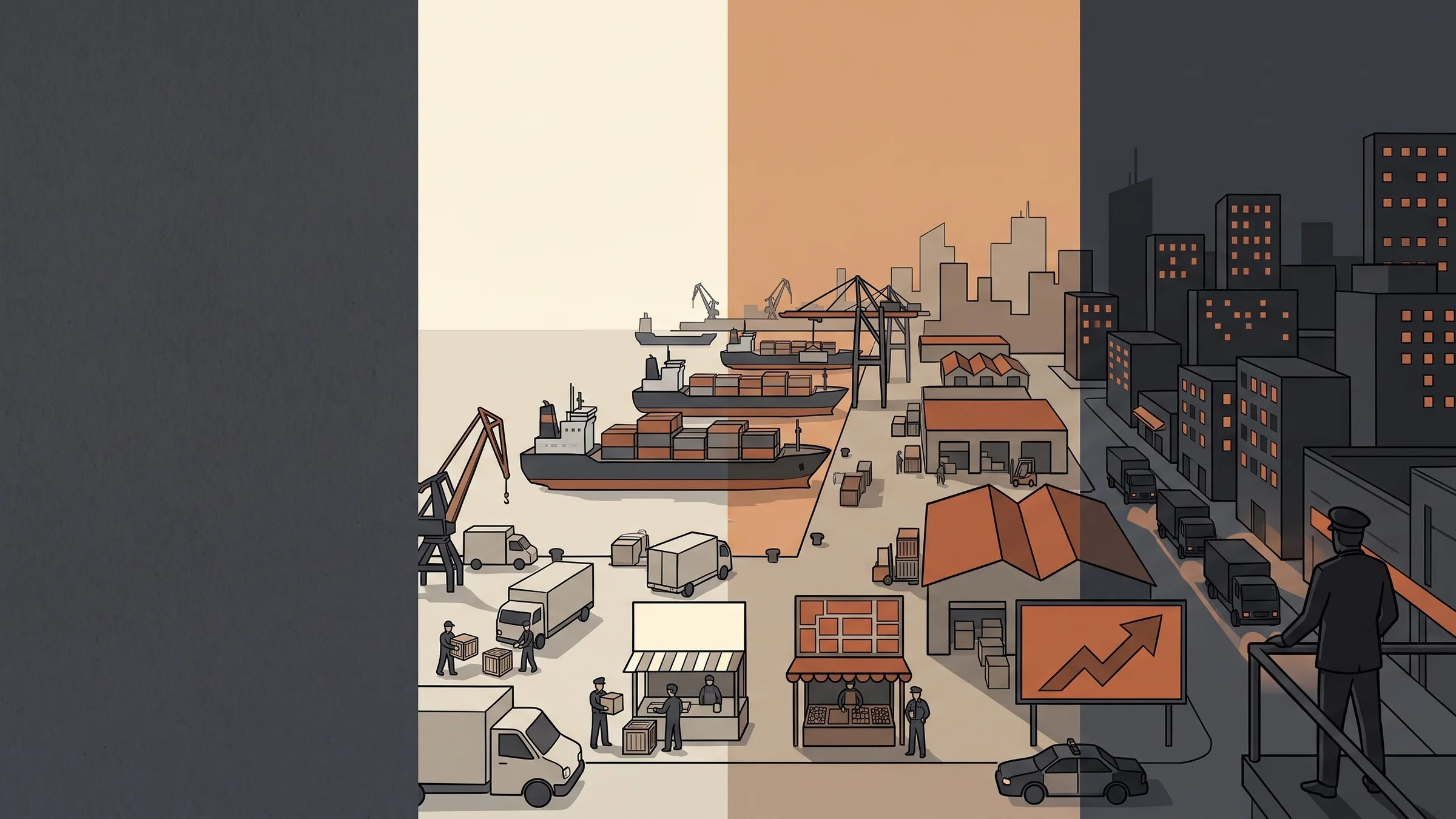
A persistent world only feels alive when its actors have motives, resources and consequences. THUG advances the city in scheduled cycles so the streets you return to are not identical to the streets you left.
One clock for the whole city
THUG runs operational city cycles that move connected systems forward together. District pressure changes, markets recalculate, shipments arrive, businesses operate and organizations choose their next move against the same moment in time.
That shared clock matters. A shortage is not a random modifier attached to one menu. It can raise acquisition costs, make an available shipment more valuable, attract competition and change which district is worth entering.
- District and market conditions update
- AI organizations commit actions
- People progress their own agendas
- Consequences are recorded for the next login
Dons, crews and Families play different roles
A Don is an individual power broker. Dons expand influence, pressure local interests and maintain mentor relationships. Crew members act at street level: they train, support their organization or reconsider their loyalty when ambition and opportunity pull them elsewhere.
Crews act as operating organizations. They recruit, gather intelligence, pursue opportunities and protect their position. Families sit above that street-level contest. They control strategic permissions, treasury decisions and the terms under which crews can access protected markets.
Those layers are deliberately separate. A crew can have a productive cycle while one of its members becomes less loyal. A Family can defer a move instead of forcing a result. Activity does not always mean instant expansion—and that is what gives later decisions context.
Why every NPC does not act every cycle
If every person changed every six hours, the city would feel noisy rather than alive. THUG samples eligible crew members each cycle, while Dons and organization-level controllers follow their own cadence. Patience, risk tolerance, loyalty and ambition influence what becomes due.
The result is readable change. Some cycles produce recruitment or territorial pressure. Others produce preparation, intelligence or a shift in an internal relationship. The important part is that each action is logged and can feed a later outcome.
What you see when you return
The command center is designed to translate simulation output into decisions. Instead of asking you to inspect raw numbers, it surfaces urgent attention, changes in your people, movement in the economy and opportunities that may expire.
You are not punished for being offline every minute. The city moves, but major player decisions remain yours. Persistent simulation creates context; it does not replace agency.
Questions from the street
Does THUG keep running while I am offline?
Yes. Scheduled city cycles advance AI organizations, markets, businesses and world conditions while important player decisions remain available when you return.
Do all NPCs act in every city cycle?
No. Dons, crew members, crews and Families have different cadences. Eligible crew members are sampled so changes stay meaningful and readable.
Are AI crews only background decoration?
No. AI crews use operational profiles, treasuries and action logs to recruit, gather intelligence and pursue strategic goals in the shared city.