
How to buy and run a business in THUG
Buying a storefront is easy. Running it means staff, stock, security and cash that survives a slow week.
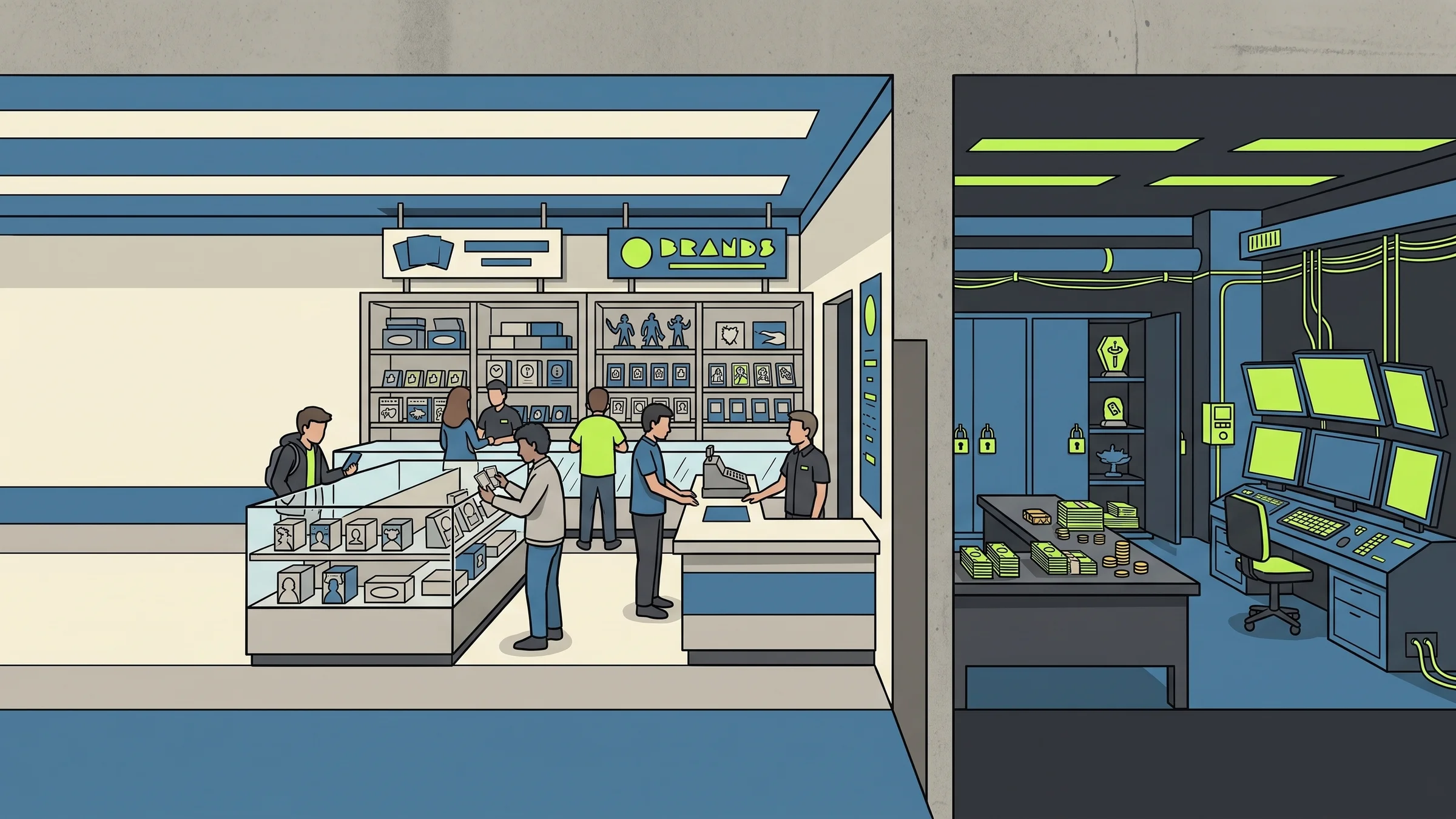
A THUG business is not a passive timer. It is an operation that needs capital, people and supply. Buy only what you can staff and stock through the first rough cycles.
Buy for the full chain, not the facade
Before you acquire a location, check deposit, working capital, supplier access, storage and whether you have a manager or staff fit for the role. A cheap listing with no runway becomes an expensive lesson.
Location still matters. Customer base, transport access and strategic value—storage, cover or logistics—can outweigh a slightly higher sticker price.
- Fund deposit plus operating reserve
- Confirm supplier and storage paths
- Assign someone who can actually manage
Staff before you scale inventory
Capable staff change performance, loss rates and attention. A strong manager reduces noise; weak staffing turns every shortage into a crisis. Hire for role fit and loyalty, not only the lowest wage.
Payroll is a fixed obligation. If revenue dips, unpaid wages create people problems that cash alone may not fix quickly.
Run the operation like a route
Stock, security and local demand interact. Overbuying without secure storage invites loss. Understocking wastes staff time. Security spend should match what the location actually holds and how hot your wider network is.
Review the business after each city cycle the same way you review a job: what changed, what failed and what the next complete action is.
Know when to hold, expand or list
Some businesses are cash engines. Others are strategic nodes—warehousing, cover or district presence. Expand only when the first site is stable enough that a second obligation will not starve it.
If the fit is wrong, the resale market exists for a reason. Exit with records and people intact rather than bleeding payroll into a location you no longer want.
Questions from the street
Are THUG businesses passive income?
No. They need staff, inventory, suppliers, payroll and security, though good managers can automate parts of the loop.
What should I buy first?
A location you can fully fund and staff, preferably aligned with skills and contacts you already have.
Can a business support illegal work?
Some capabilities overlap, but careless mixing creates financial patterns and evidence. Treat dual use as a deliberate risk.